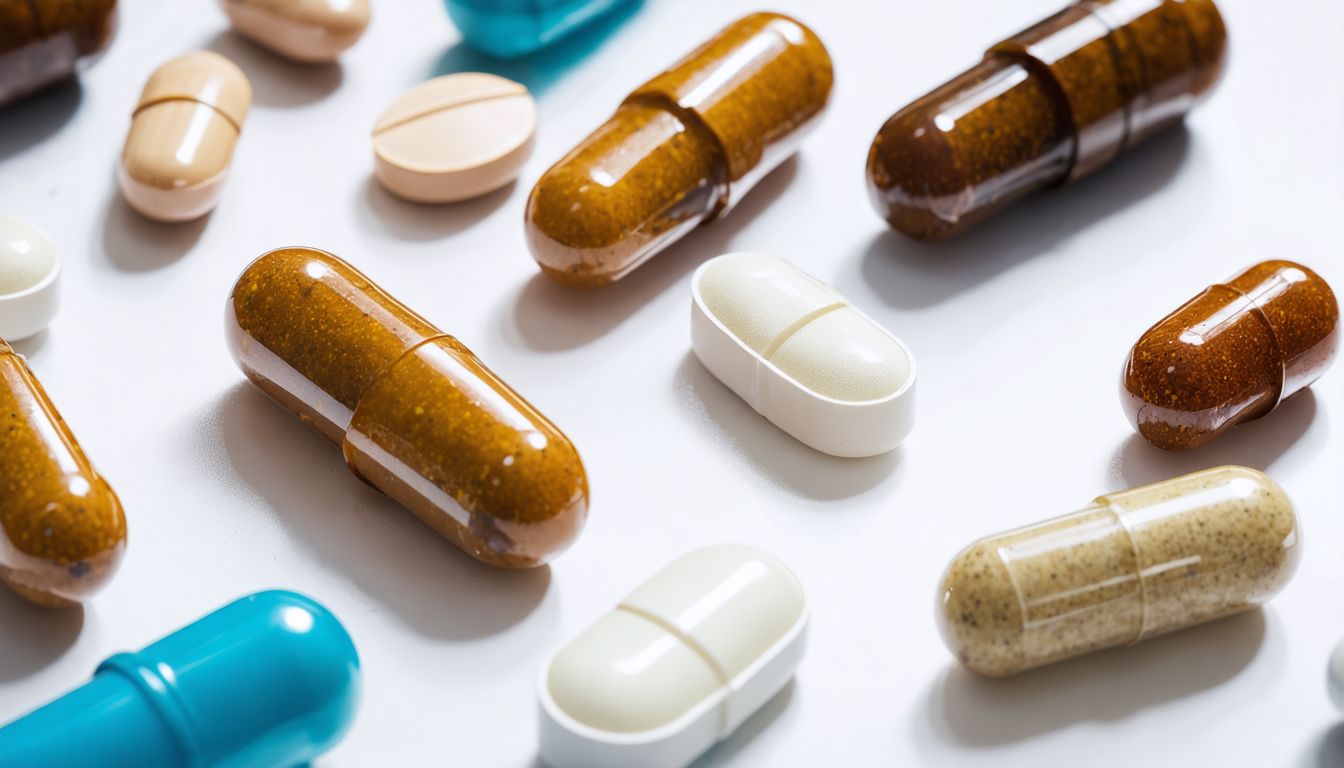
Men’s sexual health supplements — evidence-based review (educational content, not medical advice)
This article reviews common supplements marketed for male sexual performance, erectile function, libido, and testosterone support. It is for educational purposes only and does not replace professional medical care. If you have persistent symptoms, pain, or other health concerns, consult a qualified healthcare professional.
Quick summary
- Erectile dysfunction (ED) and low libido are common and often linked to heart health, diabetes, stress, medications, or hormonal issues.
- Some supplements (e.g., L-arginine, Panax ginseng) show modest benefits in small studies, but effects are usually smaller than prescription treatments.
- Evidence for “testosterone boosters” is limited unless a true deficiency is present and diagnosed.
- Quality and purity vary widely; some products have been found to contain hidden prescription drugs.
- Lifestyle changes (exercise, sleep, weight management, smoking cessation) have strong evidence and benefit overall health.
What is known
1) Erectile dysfunction is often a vascular issue
Major guidelines (e.g., American Urological Association, European Association of Urology) describe ED as commonly related to blood vessel health. Conditions such as high blood pressure, diabetes, high cholesterol, obesity, and smoking can impair blood flow to the penis. Because penile arteries are small, ED can be an early warning sign of cardiovascular disease.
This means that improving heart health often improves sexual function. It also means that relying only on supplements without checking underlying causes may miss an important diagnosis.
2) L-arginine and nitric oxide support
L-arginine is an amino acid involved in nitric oxide production, which helps blood vessels relax. Some randomized trials suggest modest improvement in erectile function scores, especially when combined with other ingredients (e.g., pycnogenol). However:
- Effects are generally mild to moderate.
- Studies are small and use different doses and combinations.
- It may interact with blood pressure medications or nitrates.
Overall: possible benefit for some men with mild ED, but not a replacement for evidence-based medical treatment.
3) Panax ginseng (“red ginseng”)
Panax ginseng is one of the more studied herbal options. Meta-analyses suggest it may improve erectile function compared with placebo. The effect size is modest, and study quality varies, but this is one of the better-supported herbal supplements for ED.
Side effects can include headache, insomnia, and digestive upset. It may interact with blood thinners and certain psychiatric medications.
4) DHEA
DHEA (dehydroepiandrosterone) is a hormone precursor. Some small studies suggest it may help men with ED who have low DHEA levels. Evidence is limited, and long-term safety is unclear. Because DHEA can affect hormone levels, it should not be used casually without medical supervision.
5) Zinc, vitamin D, and “testosterone boosters”
If a man has a documented deficiency (e.g., low zinc or vitamin D), correcting it can support normal hormonal function. However, in men with normal levels, extra supplementation has not consistently been shown to raise testosterone meaningfully.
Major endocrine guidelines recommend diagnosing clinical hypogonadism with symptoms plus consistently low morning testosterone levels before considering hormone therapy. Over-the-counter “boosters” often lack strong clinical evidence.
6) Maca, tribulus terrestris, and other herbal blends
These are widely marketed for libido and performance. Research findings:
- Maca: May improve sexual desire in some studies, but evidence is limited and effects are modest.
- Tribulus terrestris: Inconsistent evidence; most high-quality studies do not show significant testosterone increases in healthy men.
- Horny goat weed (icariin): Limited human data; most evidence is from laboratory or animal studies.
Overall: uncertain benefit, variable quality.
7) Safety and contamination concerns
Regulatory agencies such as the U.S. Food and Drug Administration (FDA) have repeatedly warned that some “male enhancement” supplements contain undisclosed prescription drugs (e.g., sildenafil-like compounds). These can dangerously interact with nitrates or heart medications.
Unlike prescription medicines, dietary supplements are not required to prove effectiveness before marketing in many countries. Third-party testing (e.g., USP, NSF) may improve quality assurance but does not guarantee effectiveness.
What is unclear / where evidence is limited
- Long-term safety of many herbal blends, especially in combination.
- Optimal combinations: Many studies test multi-ingredient products, making it hard to know which component (if any) works.
- Effect in severe ED: Most trials include men with mild to moderate symptoms.
- Impact on fertility: Some antioxidants may improve semen parameters, but effects on live birth rates are less clear.
- Psychological vs. physiological benefit: Placebo effects in sexual health trials can be substantial.
In short, while some supplements show promise, evidence is often small-scale, short-term, or inconsistent.
Overview of approaches
Lifestyle interventions (strong evidence)
- Regular aerobic and resistance exercise
- Weight reduction if overweight
- Mediterranean-style diet
- Smoking cessation
- Limiting alcohol
- Managing sleep apnea
These measures improve vascular health and are recommended in major urology and cardiology guidelines. They support both erectile function and overall well-being.
Psychological and relationship factors
Performance anxiety, depression, stress, and relationship issues can significantly affect libido and erections. Counseling or sex therapy may be as important as any supplement.
Prescription therapies (for context)
Medications such as PDE5 inhibitors (e.g., sildenafil) are guideline-supported treatments for ED. They have robust evidence from large randomized trials. Supplements should not be seen as direct equivalents.
Hormonal evaluation
If symptoms suggest low testosterone (reduced libido, fatigue, loss of muscle mass), laboratory testing under medical supervision is recommended. See our overview of male hormone testing and interpretation for more detail.
Cardiometabolic screening
Because ED can precede cardiovascular disease, evaluation of blood pressure, glucose, and lipids is often appropriate. Learn more in our guide to erectile dysfunction and heart health.
Evidence summary table
| Statement | Confidence level | Why |
|---|---|---|
| Exercise improves erectile function in many men | High | Supported by multiple clinical studies and guideline recommendations |
| Panax ginseng may modestly improve ED symptoms | Medium | Meta-analyses show benefit, but studies are small and heterogeneous |
| L-arginine can help mild ED | Medium | Some randomized trials; effect size modest |
| Most “testosterone boosters” raise testosterone in healthy men | Low | Limited high-quality evidence in men with normal baseline levels |
| Some male enhancement supplements contain hidden drugs | High | Repeated regulatory warnings and laboratory findings |
Practical recommendations
Before trying supplements
- Review current medications (especially nitrates, blood pressure drugs, antidepressants).
- Check for underlying conditions (diabetes, hypertension, sleep apnea).
- Consider stress, anxiety, or relationship factors.
If you choose to use a supplement
- Prefer single-ingredient products over large “proprietary blends.”
- Look for third-party quality certification (e.g., USP, NSF).
- Avoid products promising “instant” or “guaranteed” results.
- Stop use and seek care if you experience chest pain, vision changes, severe headache, or prolonged erection.
When to see a doctor urgently
- Sudden onset ED with chest pain or shortness of breath
- Painful or prolonged erection (priapism)
- Signs of low testosterone plus other hormonal symptoms
How to prepare for a consultation
- Note symptom duration and severity.
- List all supplements and medications.
- Be ready to discuss lifestyle factors and mental health.
You may also find our resource on low libido in men: causes and evaluation helpful before your appointment, as well as our overview of safe supplement use in chronic disease.
Sources
- American Urological Association (AUA). Erectile Dysfunction Guideline.
- European Association of Urology (EAU). Guidelines on Sexual and Reproductive Health.
- Endocrine Society Clinical Practice Guideline on Testosterone Therapy in Men with Hypogonadism.
- U.S. Food and Drug Administration (FDA). Tainted Sexual Enhancement Products warnings.
- National Institutes of Health (NIH) Office of Dietary Supplements fact sheets (e.g., zinc, vitamin D).
Bottom line: Some men’s sexual health supplements may offer modest benefits, especially for mild symptoms. However, lifestyle changes and proper medical evaluation have stronger evidence and broader health benefits. Treat supplements as supportive tools—never as substitutes for diagnosis and evidence-based care.